

menuthe

Indian Wedding Rituals and Ceremonies: A Guide for South Asian Brides

Hi friends, I’m Amy, and if you’re here, you’re probably sifting through the incredible, colorful, and sometimes overwhelming world of Indian weddings. As a non-Indian immersed in photographing and celebrating these beautiful traditions, I’ve grown to love and appreciate the deep cultural significance behind every ceremony (by the way, here is my first attempt to document the rituals several years back, which was accessed a few million times over the web). Let me take you on a journey through some of the most cherished rituals, offering insight into their meanings, how they’re celebrated in different regions, and tips to ensure they’re authentically represented in your wedding.
Himica and Saagar South Asian Wedding at Westfields Marriott Chantilly Virginia blog Himica Saagar wed2022 00015

A Little Background on Indian Wedding Traditions

Indian weddings are not just a union of two people—they’re a union of families, communities, and cultures. Many rituals are rooted in Hindu, Sikh, Jain, or Muslim traditions. While every region and religion has unique customs, there’s a shared emphasis on spirituality, blessings, and joy. Let’s break down the key ceremonies you might include in your wedding, with notes on regional variations to make them unique to you.

Amit and Lali s Sangeet Hilton Tyson s McLean Virginia Wedding Photographers F Lali Amit Wed Nov 2019 06364

1. Roka/Coke Ceremony

What It Is: Often considered the first formal step in an Indian wedding, this is a pre-engagement or engagement ceremony where both families officially announce the couple’s union. Gifts, sweets, and blessings are exchanged.

Regional Highlights:

  • Punjabi families may have elaborate roka ceremonies with lots of singing and dancing.
  • In Tamil Nadu, the equivalent could be the nichayathartham (engagement ceremony), where the wedding date is formally set.
blogSanthiAnand09 07

2. Gauri/Gowri Puja

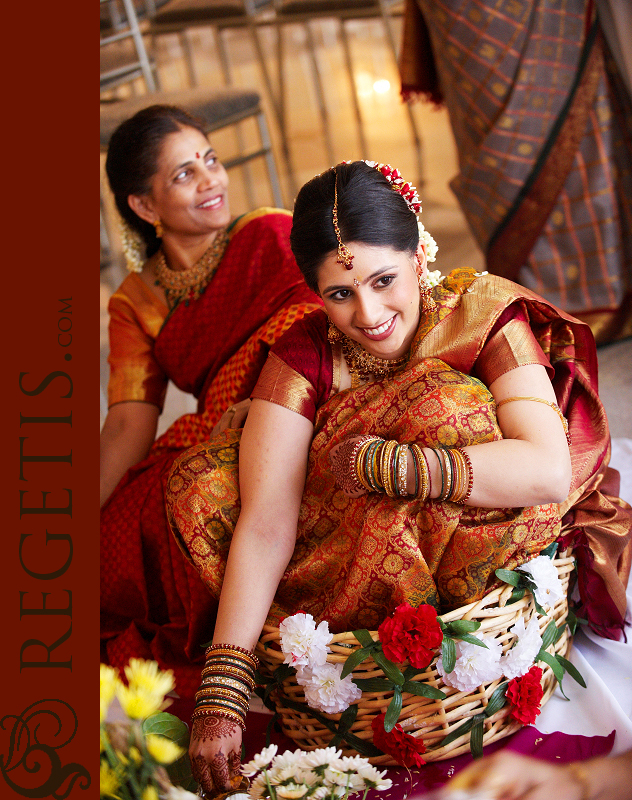
What It Is: Performed by brides, this puja seeks blessings from Goddess Gauri, symbolizing purity, fertility, and marital bliss. It’s an intimate and spiritual moment where brides pray for a harmonious married life.

Regional Highlights:

  • Telugu and Tamil brides often perform this ritual, sometimes combined with the Mangala Snanam (sacred bath) before the Haldi ceremony.
  • Maharashtra’s Gauri-Har Puja involves the bride worshiping the goddess alongside Lord Shiva.
b rachnaPreCere 57

3. Mehndi Ceremony

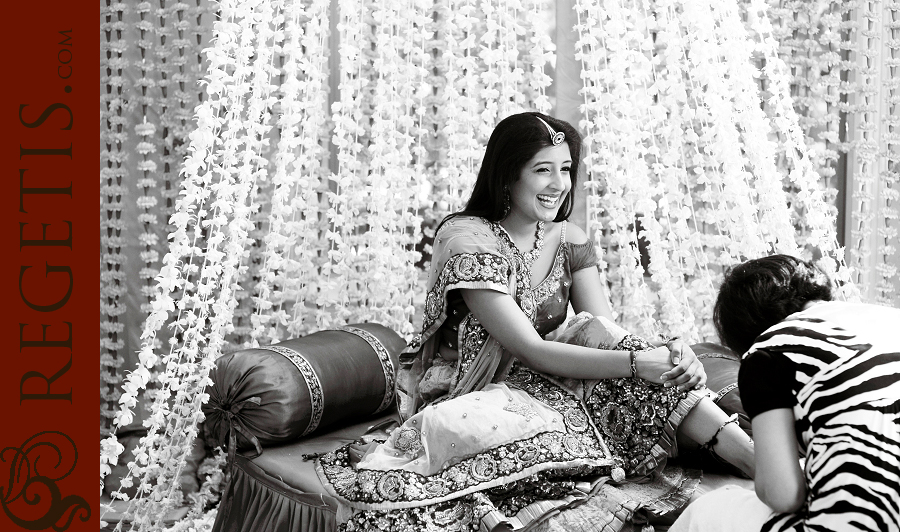
What It Is: One of the most beloved pre-wedding ceremonies, Mehndi involves applying intricate henna designs to the bride’s hands and feet. Family members and friends enjoy the fun, often adorning themselves with henna.

Where It Originates: Mehndi has roots in ancient Indian and Middle Eastern cultures. Its cooling properties were believed to relieve stress before the big day.

Regional Highlights:

  • Punjabi Mehndis are lively with music and dhol beats.
  • Mehndi often blends with the Garba or Raas dance celebrations in Gujarati weddings.
  • Bengali brides may skip a formal Mehndi but include it subtly in modern weddings.
Jahnnavi and Sameer Sangeet Bellvue Conference and Events Center Chantilly Virginia F Jahnnavi Samir Wedding July 2021 7676

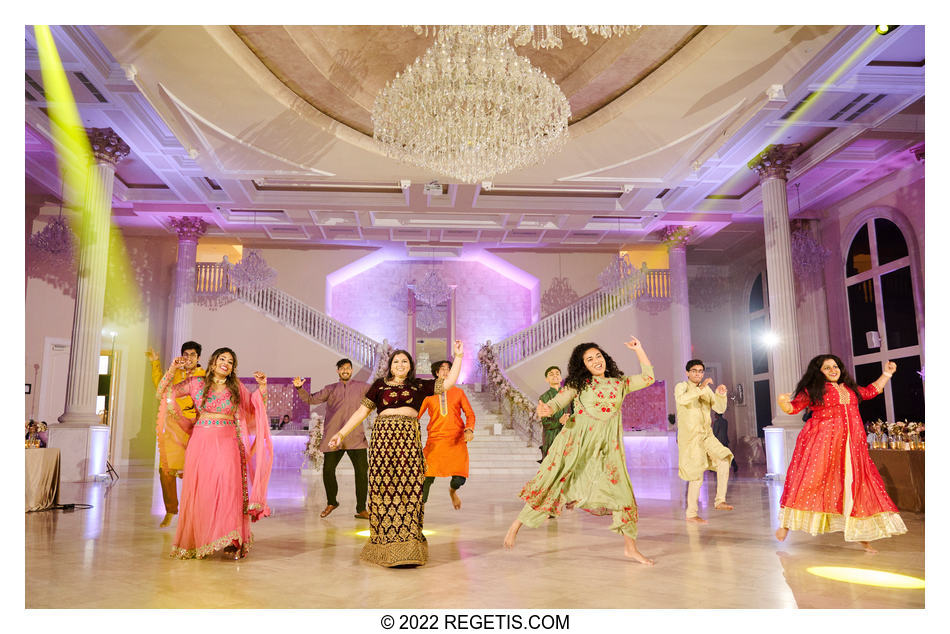
4. Sangeet Ceremony

What It Is: A pre-wedding party where families come together for a night of music, dancing, and celebration. Sangeet was historically a way for the bride’s family to bond with the groom.

Regional Highlights:

  • Gujaratis and Punjabis are known for their elaborate Sangeet nights.
  • South Indian weddings, like Tamil and Telugu, might not traditionally include a Sangeet but have embraced it in recent years.
Jahnnavi and Sameer Haldi Ceremony Lansdowne Resort Leesburg Virginia F Jahnnavi Samir Wedding July 2021 7619

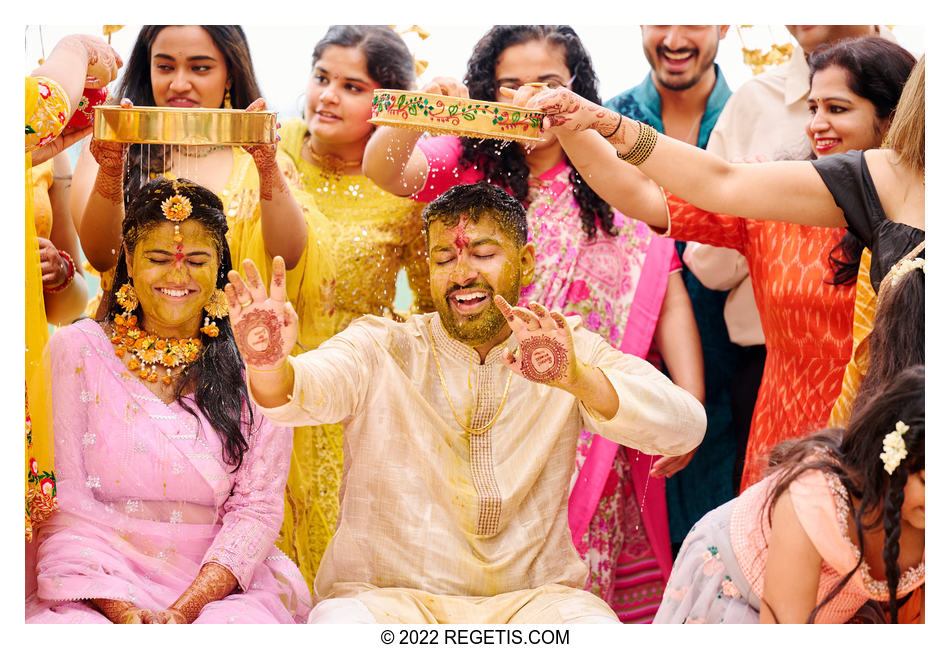
5. Haldi Ceremony

What It Is: This joyful ceremony involves applying turmeric paste to the bride and groom for its purifying and beautifying properties. It’s also considered a blessing ritual for prosperity and good health.

Where It Originates: Turmeric’s significance in Ayurveda and Hindu culture makes this ceremony timeless.

Regional Highlights:

  • Telugu weddings call this Pellikuthuru for brides and Pellikoduku for grooms.
  • This is called Gaye Holud in Bengali weddings and involves a blend of turmeric and mustard oil.
  • Maharashtrian and Gujarati weddings often mix sandalwood with turmeric for the paste.

6. Ganesh Puja

What It Is: Performed before the main wedding rituals, this puja seeks Lord Ganesha’s blessings for a smooth and obstacle-free wedding.

Regional Highlights:

  • In Marathi weddings, the Ganesh Puja is especially significant and intricately performed.
  • South Indian weddings may combine this with the Sumangali Prarthana, where married women bless the bride.

7. The Wedding Ceremony

The main event! Here are the core rituals often included:

  • Kanyadaan: The bride’s parents give her away to the groom, symbolizing trust and blessings.
  • Mangal Sutra & Sindoor: The groom ties a sacred thread around the bride’s neck and applies vermillion to her forehead, signifying their union.
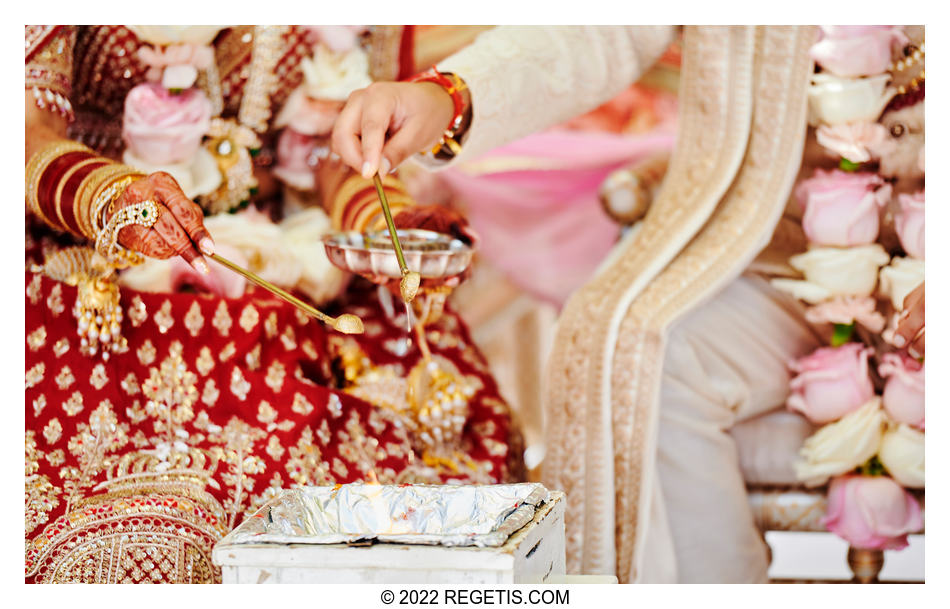
  • Saat Phere: The couple circles a sacred fire seven times, taking vows of love, respect, and loyalty.
Sanchay and Udita A Love Story Captured Amidst Lifelong Friendships F Sanchay Udita Wed June 2023 2539

Regional Highlights:

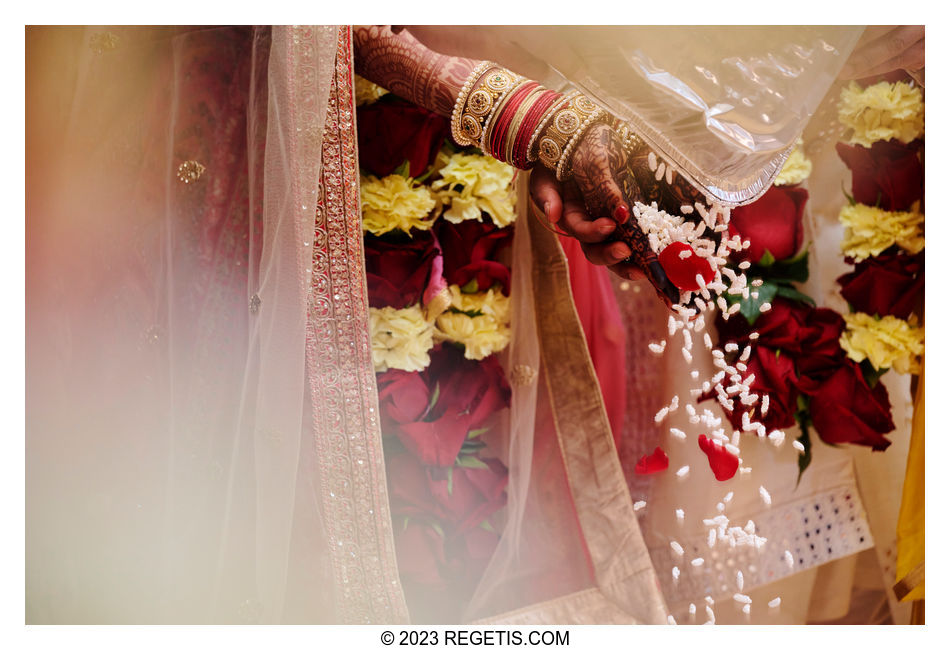
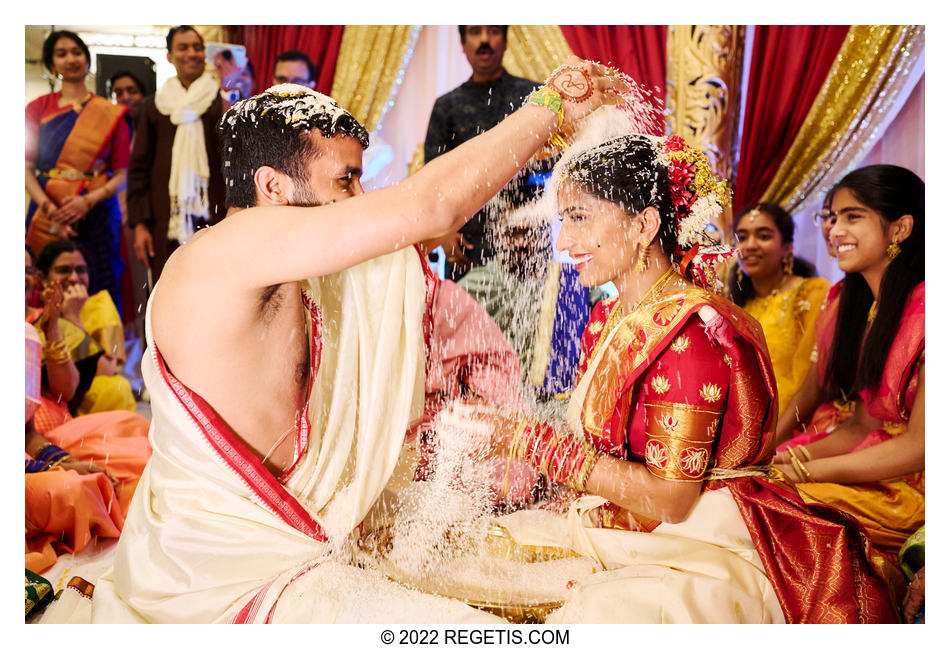
  • Telugu Weddings Include the Talambralu, where the couple showers each other with rice or flower petals to symbolize prosperity.
  • Tamil Weddings: The Kashi Yatra and Oonjal Ceremony (swing ritual) are playful additions to the ceremony.
  • Punjabi Weddings: The Anand Karaj is performed at a Gurdwara, centered around Sikh teachings.
Ranjana and Apoorv Hindu Wedding Celebrations at the Westfields Marriott Washington Dulles Chantilly Virginia F Ranjana Apoorv Wed June 2022 4238

Planning Tips for Brides in the U.S.

  1. Hire a Knowledgeable Priest: Look for a priest or pundit who understands your regional traditions and can explain the rituals. Resources like Hindu Priest USA or local temples can help.
  2. Blend Traditions Thoughtfully: If you and your partner come from different regions, work with your families and priests to blend key elements from both.
  3. Delegate Ceremony Tasks: Assign family members to oversee specific rituals to ensure everything flows smoothly.

Factual Resources

  • Vedic Scholar ResourcesVedicfolks offer insights into Hindu rituals.
  • Books: “The Complete Hindu Wedding Planner” by Amita S. Sahaya is a great resource.
  • Pundit Services: Consult organizations like the indu Mandir Executives’ Conference for priests who cater to Indian-American weddings.

Final Thoughts

Indian wedding rituals are more than just ceremonies; they celebrate love, culture, and blessings passed down through generations. As someone who’s had the honor of documenting these beautiful traditions, I can tell you this: embrace the journey. Whether incorporating every detail or blending old and new, your wedding will be uniquely yours.

If you have any questions or need guidance, please let me know—I’d love to help!

With love,

Amy

https://youtube.com/@amyregeti

1 comment
Add a comment...

Your email is never published or shared. Required fields are marked *

South Asian Wedded Life
The Regeti's FaceBook Icon
The Regeti's Instagram Icon
The Regeti's Pinterest Icon

A little more personal than our usual wedding day around here. 🤍

Our niece Shelby is getting married this October, and with me having the honor of being her Matron of Honor, we turned our home into a little Tea & Mimosas garden party to celebrate her. 🌸🥂

Srinu and I created the décor ourselves — apparently 20+ years of working alongside some incredibly talented wedding creatives has rubbed off on us just enough to become dangerous with flowers and balloons. 😂

But as pretty as everything turned out, this little Reel is really about what happened once our home filled up.

Moms. Sisters. Daughters. Cousins. Friends who have long since become family.

Everyone showing up for one person we all love so very much.

We spend our lives preserving celebrations for other families, and every once in a while we get the reminder of just how important it is to preserve our own.

The details made it beautiful.

The people made it matter. 🤍

October, we’re coming for you, Shelby. 🥹
Kavya + Kyle 😍 Their wedding at Stonewall Golf Club in Gainesville, Virginia, was every bit as emotional and beautiful as we hoped it'd be. There's always a quiet moment right before a bride steps out — everything slows down, and you can just feel it. Kavya's was one of those. Two families, two cultures, one couple who are so clearly, completely in love. We're still smiling over these teaser images!

Want a wedding day that feels this real and this loved? Send us a DM or book a consultation with us — we'd love to hear your story.

@theregetis · Photographer
@njaree.monet · Wedding Planner
@djdlux_spinwax · DJ
@reverieroseillust · Live wedding painter
@goodearthflowers · Florist
@beautyglambymaria · Makeup and Hair
@stonewallgolfclub · Venue
@theeventgroupinternational · Wedding Planner
@ceremonyofficiants · Officiant
@house_of_sweetness · Cake Designer
You may know WHAT they’re doing. But do you know why her footprints are red?

Let’s break down Kanku Pagla.

If you’ve been to a Gujarati wedding, you’ve probably seen some version of this: the bride’s feet covered in kanku — the red vermilion associated with auspiciousness — and the footprints she leaves behind.

Sometimes on cloth, sometimes on paper, sometimes carefully preserved. Depending on family, community and generation, when and how it’s done can look completely different.

But the tradition underneath all those variations is what fascinates us. Kanku Pagla literally means those red, auspicious footprints. And the symbolism reaches much further back than the keepsake we see today. In Hindu tradition, Goddess Lakshmi — prosperity, abundance, good fortune — is represented by her footprints. And a new bride arriving at her marital home has long been associated with the arrival of Lakshmi herself. That’s why one of the most recognizable forms of Kanku Pagla occurs during Griha Pravesh: the bride steps into kanku, leaving her red footprints as she enters the home for the first time as a married woman.

Over generations, families carried and adapted that symbolism into their own traditions — including pre-wedding ceremonies like the one we’re photographing here.

And THAT is what we think matters.

South Asian traditions aren’t frozen in time. They travel. They change. They become regional, then familial. Grandmothers teach daughters, daughters teach granddaughters, families move across oceans…and sometimes the way something is done shifts while a piece of its original meaning quietly remains.

So the next time you see a bride’s feet painted red and paper sliding beneath them…don’t just see two little red footprints.

You’re watching a family carry forward an ancient idea of auspicious beginnings, prosperity, and the threshold between one chapter and the next.

Maybe that’s why we’re a little obsessive about photographing things like this.

Twenty years from now, someone will know those are her footprints.

We want them to know why they mattered.
That look right after the jaimala goes on — you can see it here. Garlands still settling, and they're already stealing a glance like nobody else is on that sidewalk. This is one of my favorite in-between moments to catch because it's not posed, it's not planned, it's just two people who can't help but smile at each other.

Fusion weddings like this one are so special to shoot — two families, two traditions, blending into one really beautiful day. If you're planning a wedding that mixes cultures (or doesn't fit in a box), let's talk about how we'd tell your story. Comment or DM us!
They’re not just sticking a colorful piece of wood into the ground. And this may be one of my favorite examples of how much meaning can hide inside a Gujarati wedding.

If you’ve grown up around Gujarati weddings, you may have seen some version of this ritual your entire life.

The decorated post is associated with the Manek Stambh and Mandap Ropan / Mandap Muhurat — the ceremonial establishing of the mandap before the wedding.

Before it is placed into the earth, the post may be wrapped with sacred thread and blessed as part of the family’s ritual. Then it is carried outside and planted into the ground.

But here’s the part I love:

Before we build the place where two people will be married, we acknowledge the earth upon which it will stand.

The Manek Stambh becomes more than a little wooden post. It represents the establishment of the mandap — the sacred space beneath which a new marriage will begin.

And depending upon the family, region and Gujarati community, the customs surrounding it may look a little different. That’s something I’ve learned after more than two decades of photographing South Asian families: there is rarely just one Indian way of doing anything.

Sometimes even the bride or groom knows what their family does because they’ve watched their parents, grandparents, aunties and uncles do it their entire lives…

…but they’ve never actually been told why.

That’s the part that gets me.

Because one day, someone is going to look at photographs like this and ask:

“What were they doing here?”

And I don’t want the answer to simply be, “Oh, that was something we did before the wedding.”

I want someone to remember.

The name.
The reason.
Who held it.
Who tied the thread.
Who taught them how to do it.

Because somewhere between tradition being practiced and tradition being explained is where legacy either gets passed down—or quietly disappears.

And THAT is why we photograph the little things. 🤍
The gasp. The hands flying up. The one friend who literally cannot keep it together. THIS is what we live for.

There's something so pure about the moment a bride's crew sees her for the first time, all dressed up, before anyone else does. Coordinated olive sharara sets, then that red and gold lehenga glowing against them as she walks in — it's real, it's unscripted, and it happens exactly once. We just have to be standing in the right spot to catch it.

Who would you want to see you first — your person, your parents, or your crew? Tell us below, and if you're planning a day full of moments like this, DM us to chat.

#SouthAsianWeddings #IndianWeddings #WeddingPhotographersInVirginia #IndianWeddingPhotographersInVirginia #IndianWedding #DesiBride #SouthAsianBride #FusionWedding #WeddingPhotography #RegetisPhotography #BigFatIndianWedding #DesiWeddingVibes #IndianWeddingPhotography
Madhu is ready to get this baraat started - nothing like a morning baraat to really get you moving! There's something so joyful about a daytime baraat - the sun's out, the dhol is going, and the groom is dancing his way to the mandap surrounded by the people who've known him his whole life. That arms-wide, head-back energy? For some it might be McDonald's but for us --- t's why we wakeup early in the morning on the weekends.

If you're planning a baraat and want photos that capture the actual joy (not just posed smiles), let's talk. DM us or drop a comment below!