



AMY & SRINU — FONDLY KNOWN TO THE WORLD AS THE REGETI’S
If you’re beginning to plan a Hindu wedding in the United States, one of the first things you’ll notice is that no two weddings look exactly the same.
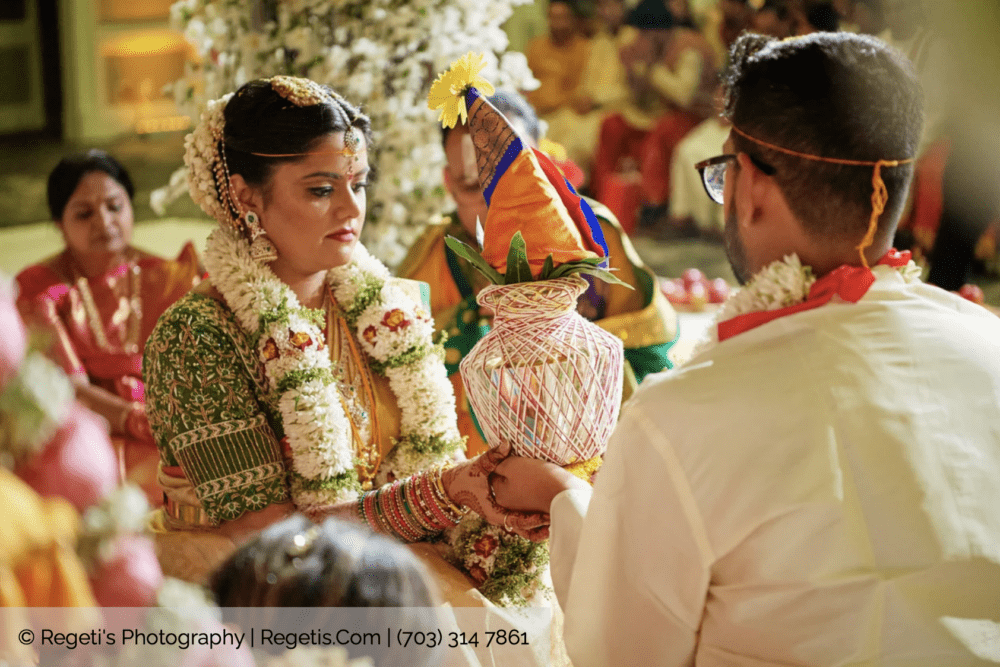
Even when the religion is the same.
One of the most common questions couples ask us as photographers who have spent nearly two decades documenting Indian and Indian-American weddings is this:
“What’s the difference between a South Indian wedding and a North Indian wedding?”
The short answer?
Quite a lot.
The long answer?
It’s beautiful, layered, and deeply tied to regional culture, language, family traditions, and centuries-old customs.
And understanding these differences can make wedding planning much easier — especially for Indian-American couples or fusion couples trying to navigate both family expectations and modern wedding styles. And proudly we are one of very few Maharani Weddings Certified experts.
Let’s walk through it.
Whether you are looking for a classic, traditional, modern, candid vibe one thing is for sure when considering Srinu and I, we will never create images that do not feel like you. We pride ourselves not he fact that we spend time getting to know our clients from consult, contract, captures to culling – we are invested every step of the way. This allows each of our weddings to remain true to each client and not aiming for a style, one iconic image or to fill our IG page.
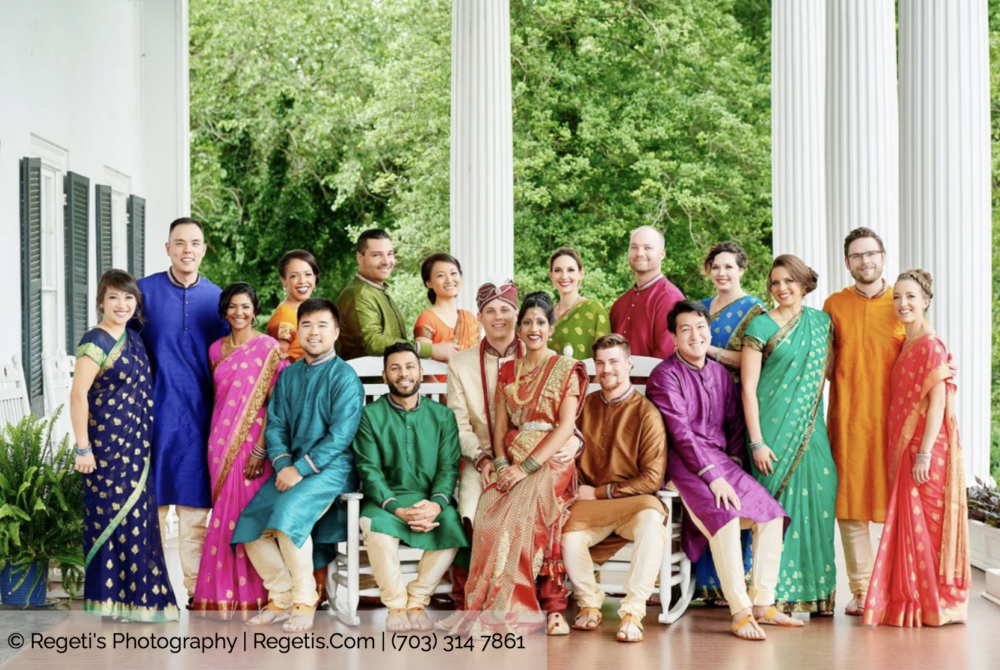
The Shared Foundation: Hindu Wedding Traditions
Before diving into the differences, it’s important to understand something fundamental:
Both South Indian and North Indian weddings follow Hindu religious principles.
The ceremony itself is rooted in sacred texts and guided by a priest (Pandit or Pujari). Regardless of region, many ceremonies include shared spiritual elements such as:
• Invoking Lord Ganesha for blessings
• Lighting the sacred fire (Agni)
• Reciting Sanskrit mantras
• The couple taking seven steps or vows (Saptapadi)
• Families participating in sacred rituals
• Offerings into the fire (Havan)
The purpose of these rituals is the same everywhere:
To unite two individuals, two families, and two lineages.
But how those rituals are expressed culturally can vary dramatically.
The fact is being married into the culture and religion, I don’t simply join my husband when we photograph weddings – we are a blended couple live this life stepping in between two cultures, religions that we love very much. One thing we can promise when you hire us is that your images will represent all of it equally, and unforgivingly because all of it matters.

South Indian Hindu Weddings
South Indian weddings are often described as deeply traditional, symbolic, and ceremony-focused.
They are typically influenced by regional cultures including:
• Tamil
• Telugu
• Kannada
• Malayali
While each community has its own variations, several characteristics are commonly seen.
Ceremony Timing
Many South Indian weddings happen early in the morning, sometimes even before sunrise.
This is based on auspicious muhurtham times chosen by the priest.
For American guests unfamiliar with the tradition, it can be surprising to attend a wedding ceremony at 7:00 AM.
But within South Indian culture, the timing is considered extremely important.
Sacred Rituals
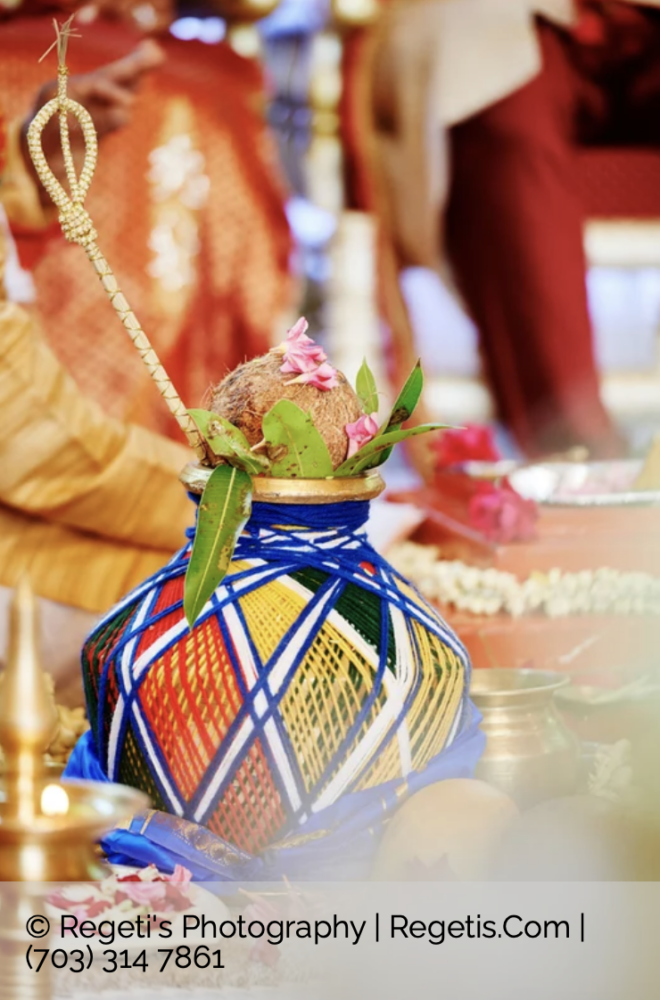
Some rituals unique to South Indian weddings include:
Kashi Yatra
The groom symbolically announces he is leaving to become a monk before being convinced to marry instead.
Jeelakarra Bellam (Telugu weddings)
The couple places cumin and jaggery paste on each other’s heads to symbolize unity.
Mangalsutra / Thali Tying
The groom ties a sacred necklace around the bride’s neck to signify marriage.
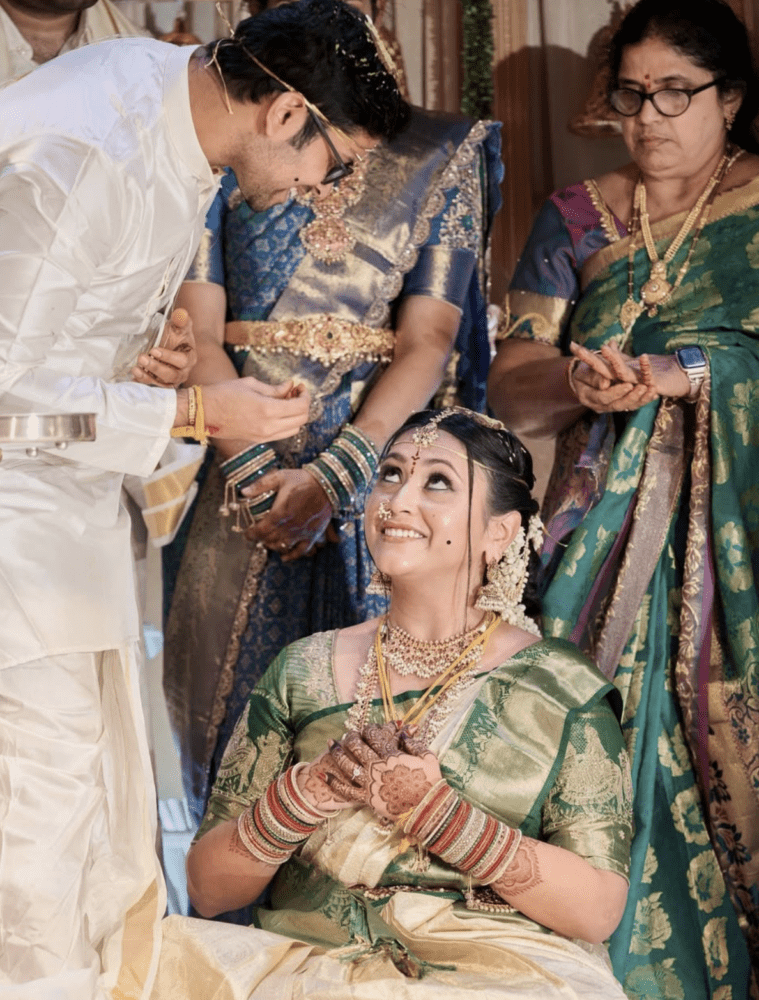
Rice Blessings
Family members shower the couple with rice or flowers for prosperity.
Attire
South Indian weddings typically feature:
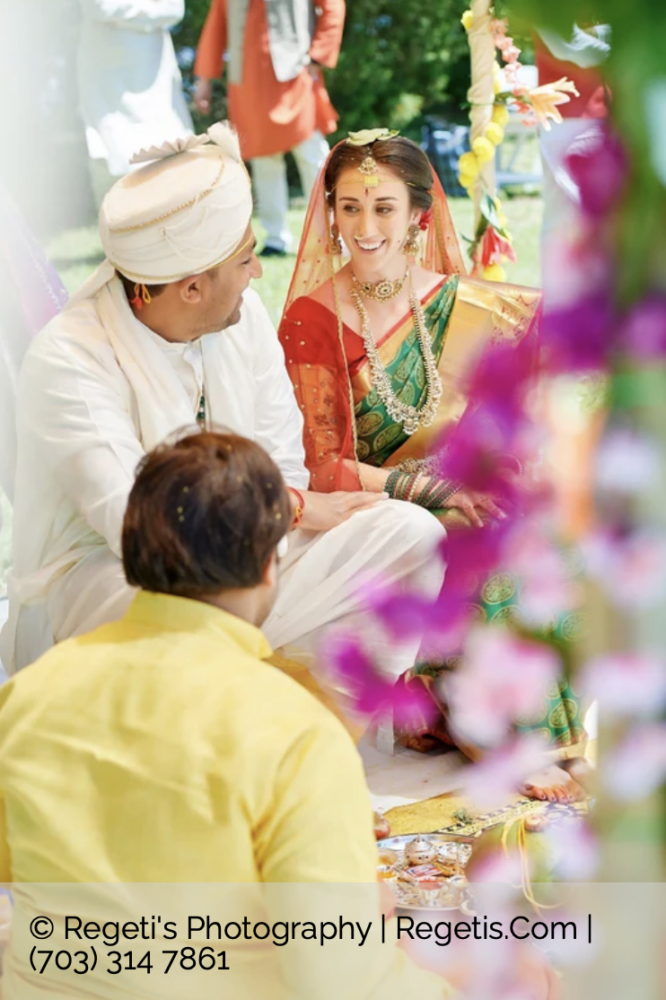
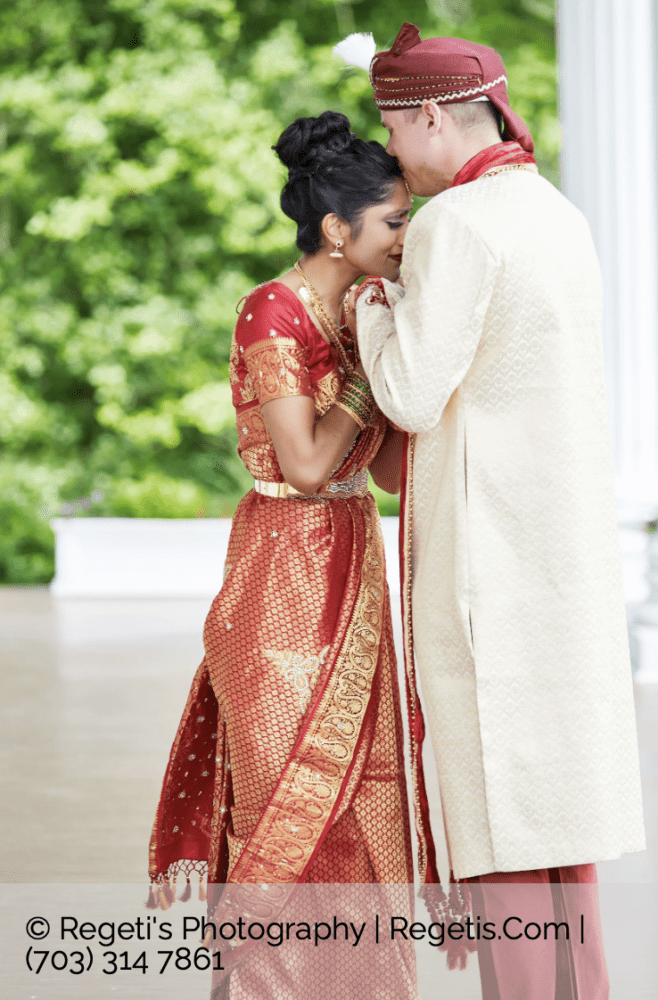
• Brides wearing Kanjeevaram silk sarees
• Heavy gold jewelry
• Grooms in veshti, dhoti, or silk kurta
Colors often lean toward deep reds, gold, and traditional silk patterns.
Cultural Atmosphere
South Indian ceremonies tend to be:
• Highly structured
• Ritual heavy
• Family-centered
• Focused on religious symbolism
While celebrations absolutely happen, the ceremony itself is often treated as a deeply spiritual event.
North Indian Hindu Weddings
North Indian weddings often appear more familiar to Western guests because they include large celebratory processions and evening ceremonies.
These weddings are commonly influenced by regions such as:
• Punjabi
• Gujarati
• Rajasthani
• Hindi-speaking communities
Baraat
One of the most iconic North Indian traditions is the Baraat.
This is the groom’s grand entrance procession where he arrives dancing with family and friends — often on:
• A horse
• A decorated car
• Occasionally even an elephant
Music, dancing, and celebration fill the streets before the ceremony even begins.
Varmala (Garland Exchange)
The bride and groom exchange floral garlands in a playful ritual symbolizing acceptance of each other.
In many weddings this moment is incredibly lively, with friends lifting the bride and groom in the air.
Evening Ceremonies
Unlike many South Indian weddings, North Indian ceremonies often occur in the evening.
This allows for dramatic lighting, elaborate decor, and large guest attendance.
Bridal Attire
North Indian brides typically wear:
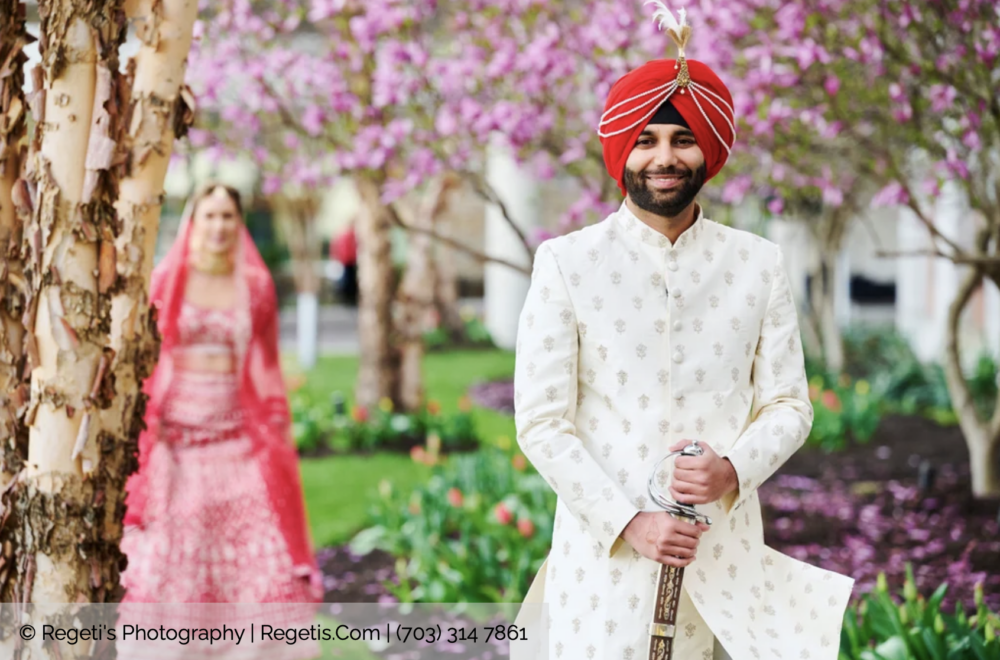
• Lehenga cholis
• Heavy embroidery and embellishment
• Deep red, maroon, or jewel tones
Grooms often wear:
• Sherwanis
• Turbans (Safa or Pagdi)
Cultural Atmosphere
North Indian weddings are often known for being:
• Grand
• Festive
• High-energy
• Celebration-focused
They frequently include multiple large events such as:
• Mehndi
• Sangeet
• Baraat
• Ceremony
• Reception
Cultural vs Religious Differences
One of the biggest misconceptions we see is that the differences between South and North Indian weddings are religious.
In reality, most differences are actually cultural and regional.
The core Hindu philosophy remains the same, but traditions evolve based on:
• Language
• Geography
• Community customs
• Family traditions
• Migration patterns
This is why you might see:
• Telugu weddings lasting hours with detailed rituals
• Punjabi weddings with large celebratory processions
• Gujarati weddings incorporating unique customs
• Fusion weddings blending multiple traditions together
And increasingly in the United States, couples are creating weddings that reflect their own personal story.
The Reality: No Two Indian Weddings Are Ever the Same
After photographing Indian weddings for nearly twenty years, there is one thing we can say with absolute confidence:
No two weddings are ever identical.
Even within the same community.
Families often adapt traditions based on:
• Personal beliefs
• Venue logistics
• Time constraints
• Guest experience
• Intercultural relationships
Some couples choose to add traditions.
Others simplify them.
Some blend North and South Indian customs together.
Some incorporate Western ceremony elements.
And honestly?
That flexibility is part of what makes Indian weddings so incredible.
They evolve while still honoring the past.
Planning a South Asian or Fusion Wedding in the United States
For many Indian-American or fusion couples, wedding planning comes with a unique challenge:
You’re often translating traditions between generations.
Between parents.
Between cultures.
Between guests who may have never attended a Hindu ceremony before.
That’s why understanding the meaning behind traditions can make planning feel much less overwhelming.
And it’s exactly why we’ve spent years building resources designed specifically for couples navigating this journey.

A Little About Us
We’re Amy and Srinu Regeti, known in the wedding world simply as The Regeti’s.
For nearly twenty years, we’ve had the privilege of photographing South Asian, Indian-American, and fusion weddings across the United States.
What began as photography quickly evolved into something more.
Because when you spend decades standing beside couples during some of the most emotional days of their lives, you don’t just capture weddings.
You learn the language of them.
You see the pressure brides carry.
You witness the beauty of tradition and the complexity of blending cultures.
And over time, couples began asking us questions — not just about photography, but about the entire wedding experience.
So we began creating resources to help.
For couples who want clarity before the planning begins.

Resources for South Asian & Fusion Brides
If you’re just starting your wedding planning journey, you may find these resources helpful:
Rituals & Reflections available on AMAZON
A thoughtful guide designed to help South Asian brides reflect on the emotional and cultural layers of wedding planning before decisions begin.
RENDERED (Coming Soon)
An insider perspective on the modern South Asian wedding experience — helping brides understand what they’re stepping into before the planning process begins.
REHEARSED (Our upcoming course)
A practical walkthrough designed to help South Asian and fusion brides mentally rehearse their wedding day before it happens.
Together, these resources are meant to help couples move through planning with clarity, confidence, and cultural understanding.

If you’re planning a South Asian or fusion wedding and want to explore our photography or resources, you can learn more at:
You can also follow along on Instagram:
Where we continue sharing stories from the incredible couples we’ve had the privilege to photograph.