



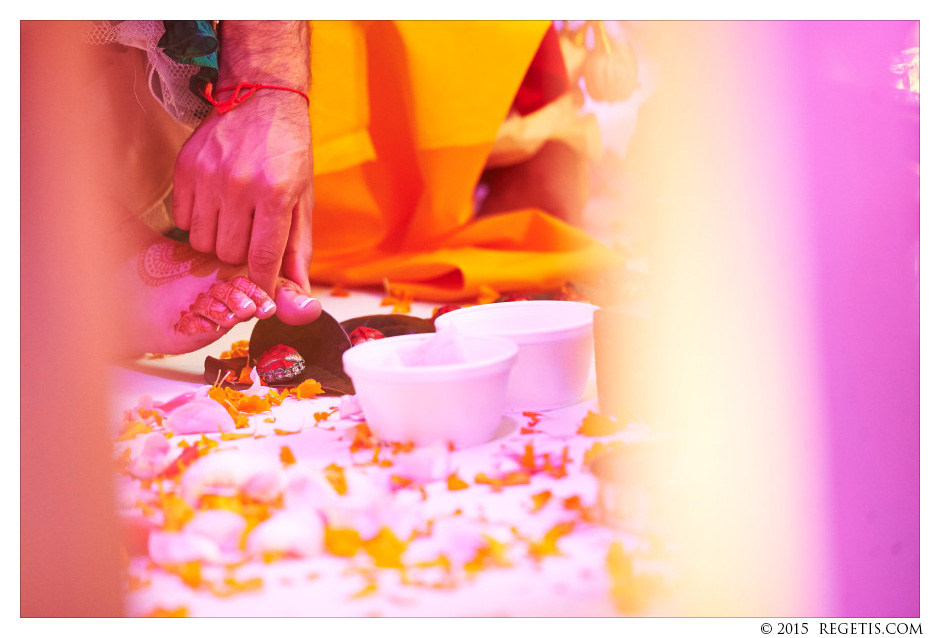
Indian weddings are one of the many things that hit our minds whenever we think about India or Indians. There are so many fabulous and beautiful wedding customs around the world, each having its own unique value, attribute, or mystique enough to amaze everyone.
While many cultures worldwide seem to have forgotten their wedding rituals, traditional Indian wedding customs are just an inseparable part of an Indian Culture. Whether it’s a big fat Indian wedding or an exclusively covert traditional Indian wedding, no one can escape the wondrous experience of the Indian Culture.
Traditional Indian weddings are known worldwide for their distinct and startling attributes, from various delicious cuisines to colorful attires, Henna-Mehndi art, sacred practices, and a sense of belongingness. Indian weddings are so much more than you could ever imagine that it demands much more effort, management, and hard work. It’s always better to hire a well-experienced Indian wedding planner for you or your loved one’s wedding.
Below we have discussed some of these Indian wedding customs and their importance in a traditional Indian wedding:
Haldi Ceremony – The Fun Begins Here
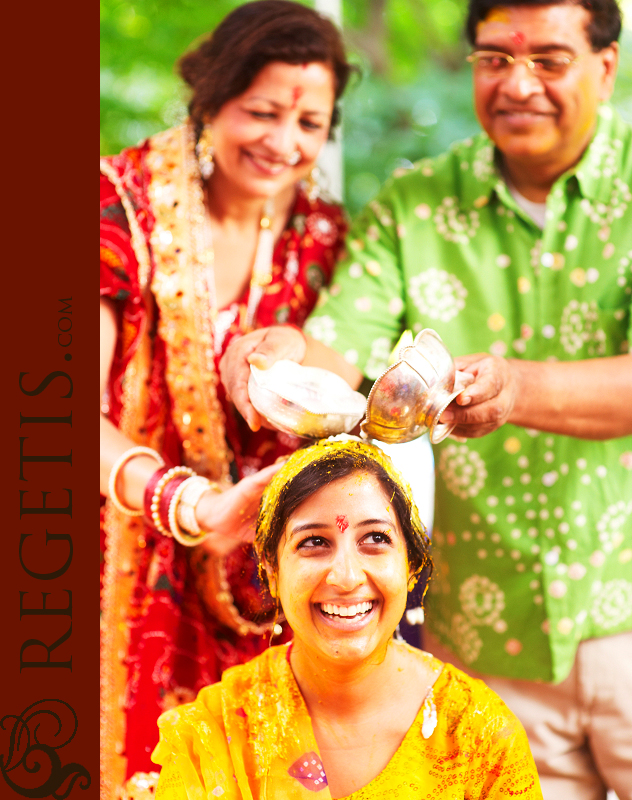
Image from Rachna and Nitin’s Wedding
The bride and groom’s families perform the Haldi ceremony. The Haldi ritual is an essential part of a traditional Indian wedding. The bride and groom are decorated with a paste made of Haldi or turmeric and other ingredients. The ceremony takes place early on the wedding day, and the bride and the groom are not allowed to meet before the marriage. The ceremony is also celebrated by the family members and friends of the couple.
Besides the bride and groom, family members also apply a paste of turmeric on their faces before the wedding. The paste is often applied generously before the wedding ceremony. It also serves as skin nourishment and beauty for the bride and groom.
While all these seem so fun-filled, managing everything in detail is not a smooth run. It’s advisable to hire an wedding planner who can give you great wedding planning ideas, so you can relax and enjoy the wedding.
Mehndi – The Henna Ceremony
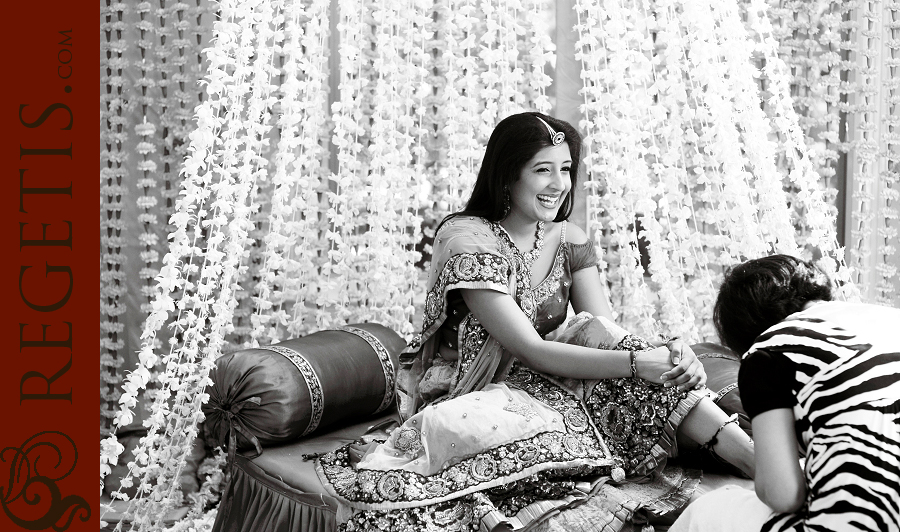
Image from Rachna’s Henna Ceremony
The wedding ceremony will also include henna preparations. Henna is an ancient Indian art that takes several hours to dry. In a traditional Indian wedding, the women’s hands and feet are painted with Henna, making her more beautiful than ever. Nowadays, Mehndi or Henna art is gaining popularity in Western countries. It is crucial to have a professional artist complete the henna art.
Sangeet Sandhya – Dance & Music
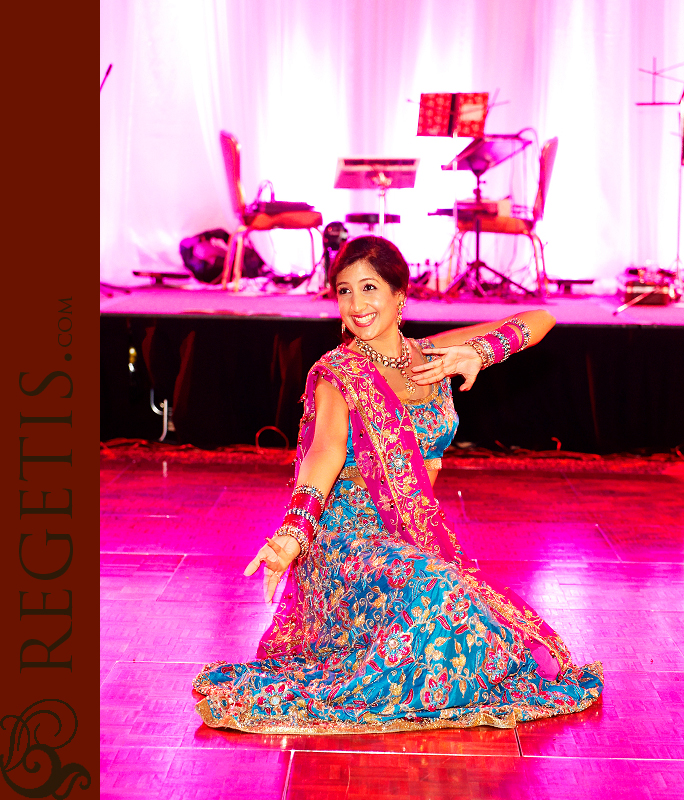
The most anticipated part of Sangeet Sandhya is the couple dance by the bride and the groom. Before the wedding, the sangeet ceremony is organized for the bride and groom’s families and friends. It is an evening filled with music, dance, varieties of delicious food, and refreshing drinks. Many families even offer alcohol in their sangeet events.
Sangeet Sandhya is becoming a very popular ceremony not to miss out on Indian weddings in the USA. In many cultures, Sangeet is usually attended only by the bride and her family, especially ladies. This is why it is often called Ladies Sangeet.
Traditional Attire – The Eyecatchers
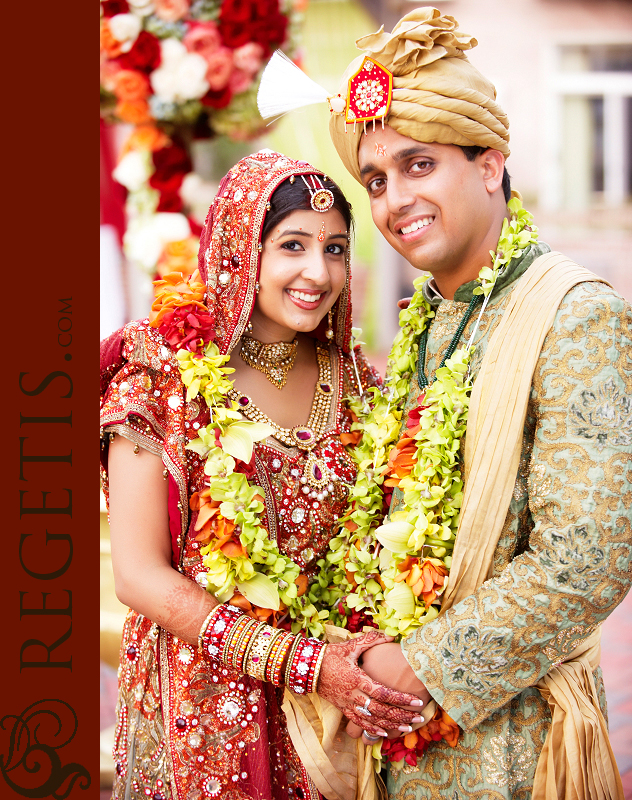
The traditional attire in Indian marriages is exceptionally colorful and elaborated. The bride’s wedding outfit is supposed to be the best of all. She usually wears a 16-piece outfit called ‘Solah Shringar’ that often includes colorful clothes, enticing jewelry, and gorgeous makeup. It is meant to make her the Queen of the ceremony. A groom is supposed to wear a Sherwani with Mojari, traditional Indian footwear resembling the royal attributes.
Baraat – Welcoming the Groom
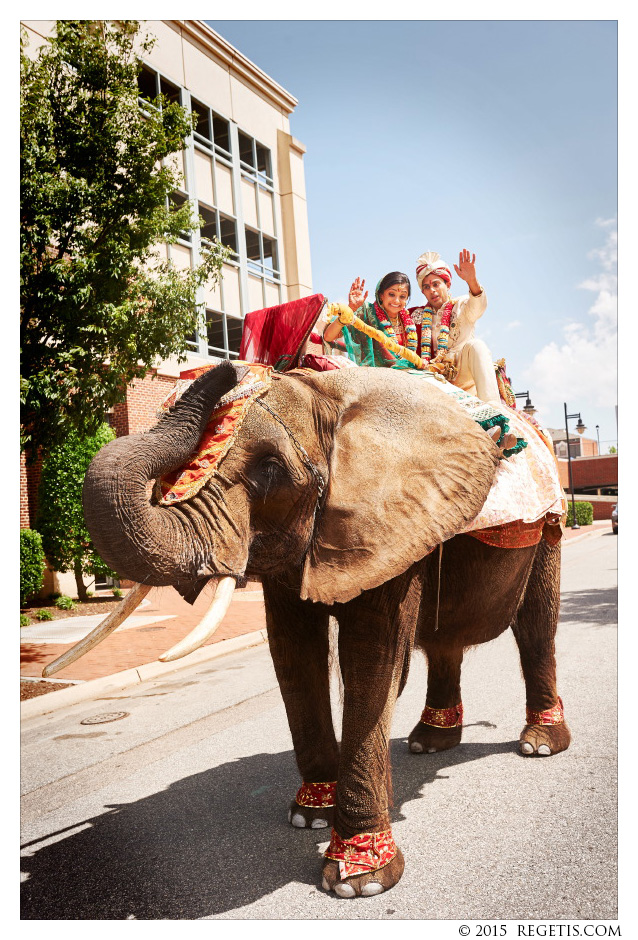
The Baraat is an essential custom in a traditional Indian wedding. In this ceremony, the groom and his family arrive at the bride’s home on horseback or in a car. The groom’s family gives the bride and groom’s families gifts and sweets, and the ceremony begins.
Jaimala – Exchanging Love With Garlands
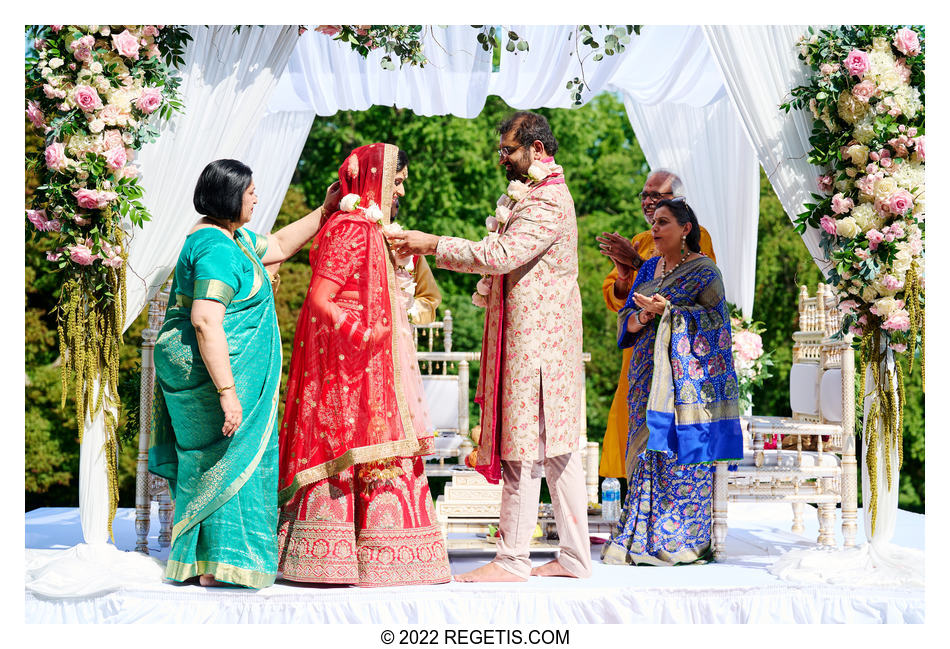
Image from Aakshe and Dishank’s Wedding at the Historic Rosemont Manor in Berryville, Virginia
This is the main event of an Indian wedding. During jaimala, the bride and groom take their seats in the main ceremony. The bride and groom exchange garlands twice, with the bride receiving the first while the groom steps down to the second round. After the jaiamala, the event is carried out with capturing moments of the couple, family and friends with the stunning and exquisite wedding photography. The groom’s mother-in-law leads him to the wedding mandap, where he is offered a drink called Panchamrut, which contains five sacred ingredients. The couple then recites the seven vows.
These little details are what matters. That’s why you need to get an Indian wedding planner to work for you so that you never miss out on any blissful customs of a traditional Indian wedding.
Mangalsutra – The Eternal Bond
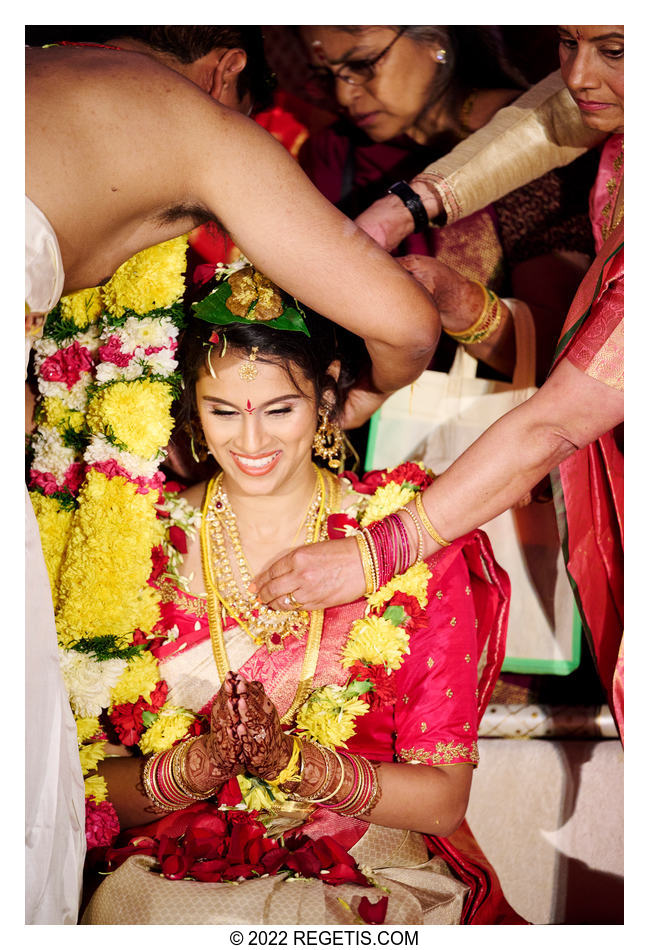
Tasha and Abhi’s Wedding at Portsmouth, Virginia
The groom drapes a Mangalsutra around the bride’s neck. Mangalsutra is a necklace of black and gold beads and is said to invoke Lakshmi, the goddess of wealth, prosperity, and happiness. The bride is said to receive blessings throughout her life and her husband’s. In addition to this, she may also wear a necklace of other colors. A groom can tie a modern Mangalsutra or an old traditional one inherited from the family elders, as it is a sign of auspiciousness.
Mandap & The Sacred Fire
The bride and groom are both greeted by the bride’s parents and friends, who give them shagun in the form of money or gift. The priest then leads the couple around the sacred fire, where rice, flowers, and herbs are offered. The couple revolves around the holy fire holding hands in hands three, four, or seven times, depending on their rituals. The priest utters sacred mantras throughout this and then offers blessings to the bride and groom for abundance, children, prosperity, and harmony. These ceremonies are a big part of the traditional Indian wedding.
The wedding ceremony is formal. The bride and groom are declared husband and wife, and the officiating priest chants appropriate Sanskrit verses before the wedding. Both the groom’s parents and the bride’s parents bless the couple, and the marriage is declared legal.
Griha Pravesh – Welcoming the Bride
Every traditional Indian wedding concludes with this auspicious Griha Pravesh ceremony – where a bride enters her new home and becomes a part of her new family. The bride will enter the groom’s home by throwing a rice container. The rice signifies her new married life and the new life she will lead. The bride will dip her feet into the red vermillion mixture and leave footprints on the floor upon entering the house. The bride will also have fun games during the ceremony, such as the Color Run, which resembles a traditional dice game.
Conclusion
A traditional Indian wedding will make you feel enamored with its beautiful and sacred customs and rituals. If you want to have the Indian wedding of your dreams, reach out to the leading wedding planner in Atlanta, USA, and experience a kind of wedding that’s specially curated and designed for you and your partner – begin your marriage life beautifully!
AUTHOR BIO
Nirjary Desai, Chief Experience Officer and Founder of KIS (cubed) Events, believes in creating one-of-a-kind event experiences with a serious wow factor for some of the world’s most well-known brands, celebrities, and personalities. She is passionate about international travel, socially conscious enterprises, and developing inclusive communities.