



By Amy & Srinu Regeti — The Regeti’s | South Asian Wedded Life (SAWL)
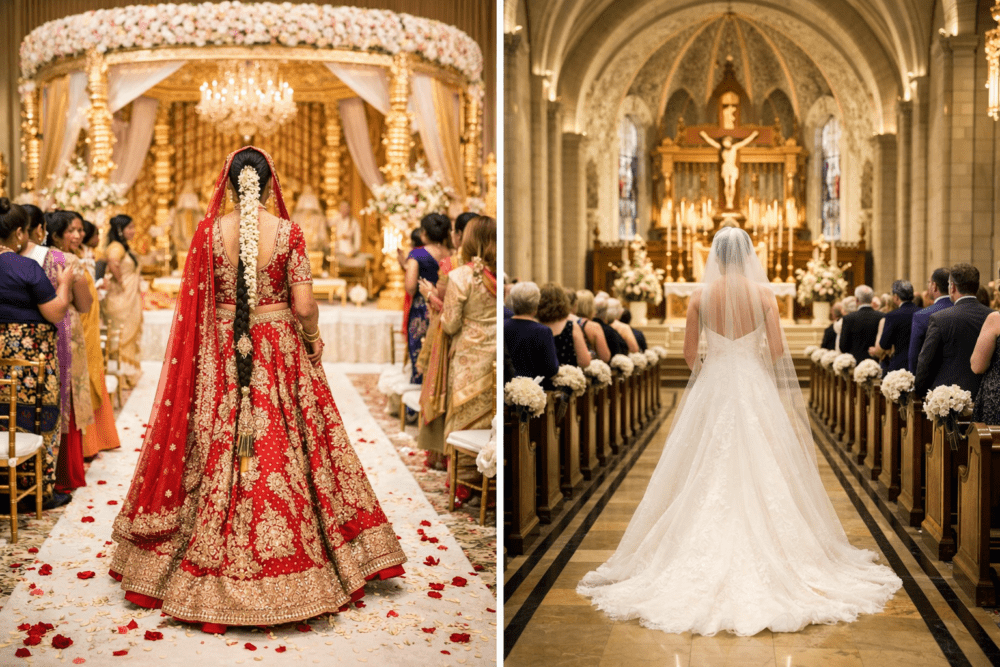
If there is one uncomfortable truth about Indian and Indian-American weddings, it’s this:
Your guests will talk about your wedding long after it’s over.
Not maliciously. Not always negatively. But definitely honestly.
And while most brides obsess over outfits, flowers, and whether the napkins match the stage backdrop, that’s rarely what sticks in people’s minds.
After photographing and witnessing hundreds of South Asian weddings across the U.S., one pattern shows up again and again. When guests leave an Indian wedding—especially in America—three things are talked about without fail.
These conversations happen in carpools, group chats, family kitchens, and airport lounges. Brides rarely plan for them, but they shape how the wedding is remembered.
Let’s talk about them—clearly, respectfully, and truthfully.

1. How the Wedding Felt to Be At (Not How It Looked)
This is the biggest blind spot in Indian wedding planning.
Guests do not remember your color palette.
They remember how comfortable—or uncomfortable—they felt moving through your wedding.
What guests are actually noticing:
- Were they standing for hours without explanation?
- Were ceremonies running wildly late with no communication?
- Did they know when to eat, where to go, or what was happening next?
- Did the wedding feel warm… or chaotic and stressful?
Indian weddings are long by nature. Guests expect that.
What they don’t expect is to feel invisible, confused, or physically exhausted without consideration.
Here’s the hard truth:
A wedding can be visually stunning and still be remembered as “a lot.”
When guests say:
- “It was beautiful, but…”
- “Everything was nice, but I was so confused”
- “I didn’t know if we were allowed to eat”
That “but” matters.
Why this becomes controversial
Many families prioritize ritual perfection over guest clarity.
Timelines are designed for priests, elders, or tradition—not for human comfort.
In America, especially, guests are coming from mixed cultural backgrounds. Even Indian guests raised here often don’t know what’s happening unless it’s explained.
A wedding that feels considerate is remembered far longer than a wedding that simply looks impressive.

2. How the Families Interacted (Especially Under Pressure)
This is the one no one wants to admit—but everyone notices.
Guests watch:
- How parents speak to vendors
- How families speak to each other
- Who seems respected and who seems sidelined
- Whether tension is handled quietly… or publicly
Weddings magnify existing dynamics. They don’t create them.
What people quietly take note of:
- Did the couple seem supported—or managed?
- Did one side appear dominant while the other disappeared?
- Were disagreements handled gracefully or loudly?
- Did the bride look peaceful—or emotionally burdened?
Indian weddings often involve many decision-makers. That’s normal.
What’s not normal—or forgotten—is how visible behavior becomes on wedding days.
Guests might not know the backstory, but they feel the energy.
A calm, united family presence communicates confidence and care.
A stressed, reactive one creates discomfort that no decor can hide.
This doesn’t mean families must be perfect.
It means emotional awareness matters more than control.
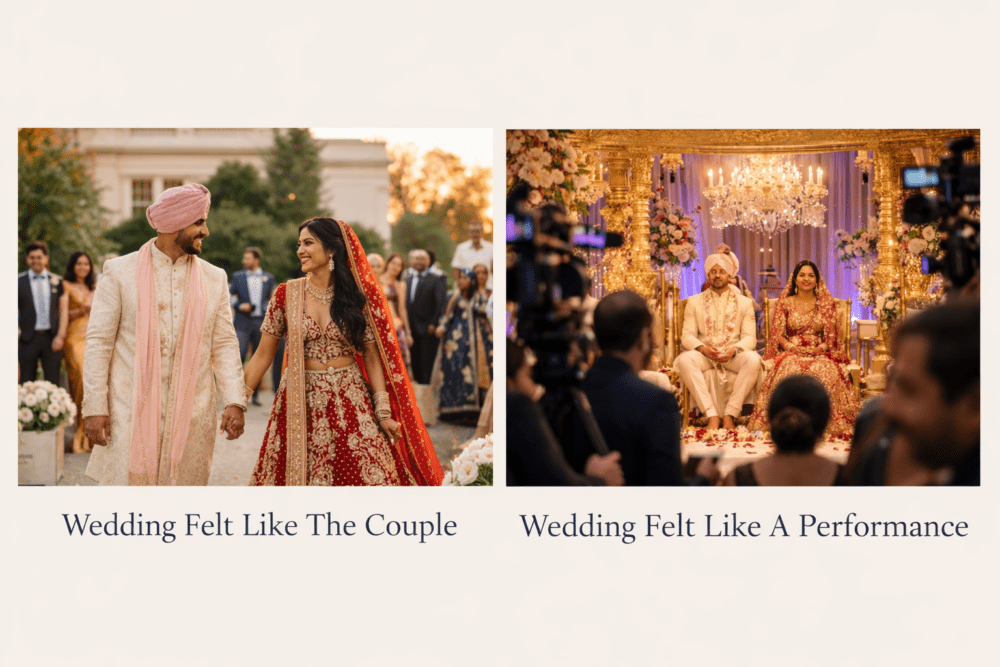
3. Whether the Wedding Felt Like The Couple or a Performance
This is the quiet conversation that follows nearly every Indian wedding:
“Did it feel like them?”
Guests may not phrase it so directly, but it shows up as:
- “They looked so happy.”
- “I hope that’s what they wanted.”
- “It was beautiful… just very intense.”
Indian weddings—especially in America—sit at the intersection of:
- Tradition
- Family expectations
- Cultural optics
- Social comparison
When weddings tip too far into performance, guests sense it.
What people are responding to:
- Did the couple seem present or constantly managed?
- Did moments feel rushed to “get through everything”?
- Was there room for joy—or just obligation?
This becomes controversial because many brides are told:
“This is how it’s done.”
But guests can tell the difference between:
- A wedding that honors tradition with intention
- A wedding that follows tradition without breathing room
The most talked-about weddings aren’t always the biggest.
They’re the ones where the couple looked at ease inside their culture—not swallowed by it.
Why These 3 Things Matter More Than You’ve Been Told
Indian wedding planning culture often emphasizes:
- Scale
- Visibility
- External validation
But memory is shaped by:
- Experience
- Emotional tone
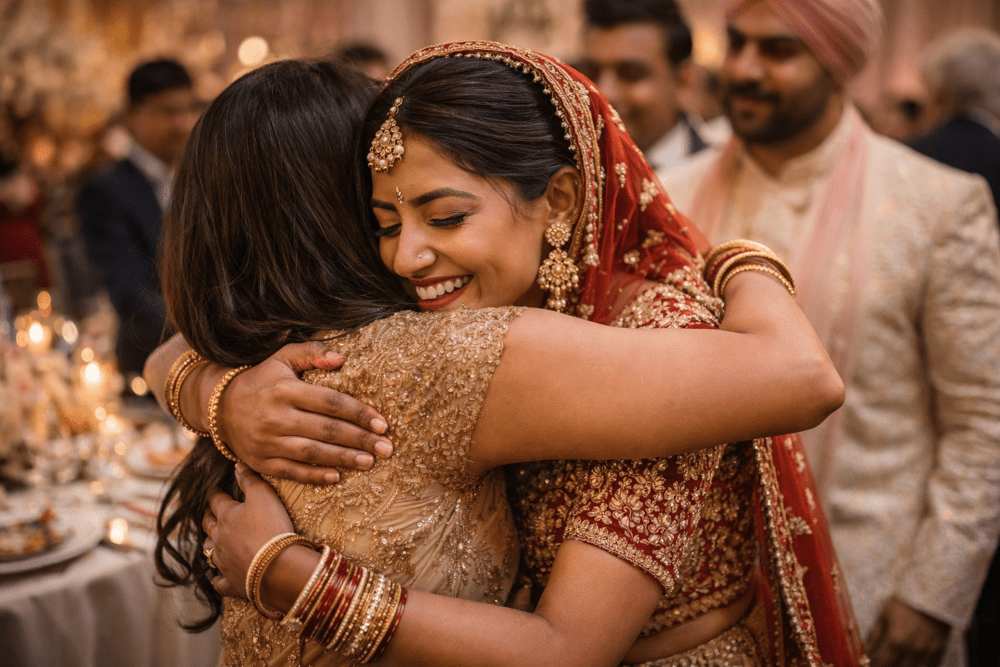
- Human moments
A wedding remembered fondly isn’t perfect.
It’s considerate, emotionally grounded, and coherent.
And here’s the uncomfortable part:
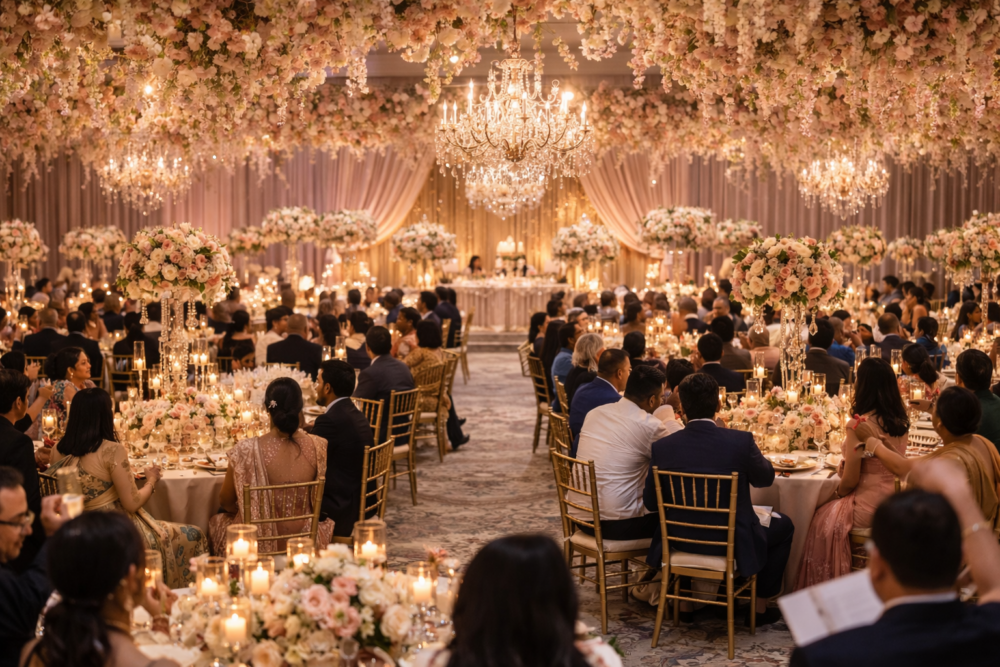
Guests may forget your lehenga details—but they won’t forget how they felt in your space.
Final Thought for Brides Just Beginning Their Search
If planning is just starting, ask different questions early:
- How will guests experience this day?
- Where will confusion likely happen?
- What emotional tone do we want to set?
Those answers shape everything that follows.
The most successful Indian-American weddings aren’t louder.
They’re clearer.
They’re warmer.
They’re intentional.
And yes—those are the weddings people keep talking about for the right reasons.

Before You Go — Resources for a Clearer, Calmer Wedding Journey
If wedding planning already feels overwhelming—or you’re still standing at the very beginning—these resources were created to give couples clarity before chaos, without pressure, contracts, or agendas.
🧩 Need a Mental Break?
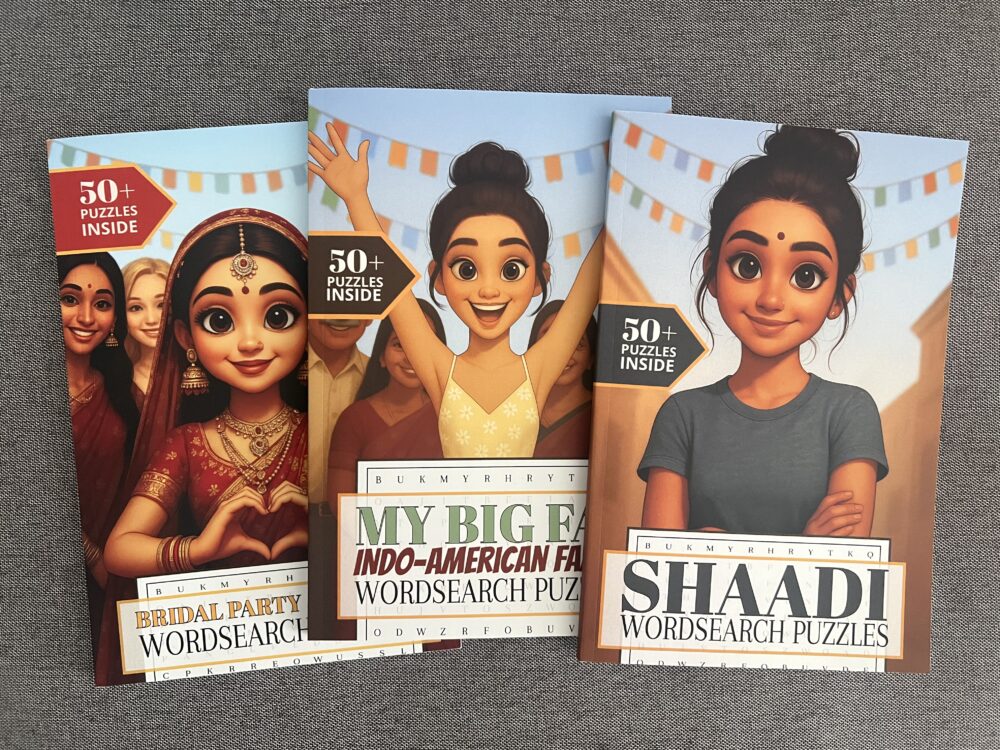
Our puzzle books were designed as a pause button for engaged couples—something tactile, calming, and grounding when planning starts to feel like too much. They’re meant to give your mind space to breathe, reset, and come back clearer.
📖 Planning Before You Pick Dates

Rituals & Reflections with The Regetis is a pre-planning guide created to help couples talk through the meaning of their wedding—values, priorities, boundaries, and expectations—before dates are locked, deposits are paid, or decisions feel irreversible.
This is not a timeline or checklist.
It’s about alignment first—so planning doesn’t cost you peace.
☎️ Want an Unbiased Voice Before You Start?

Book a Clarity Call with Amy Regeti
Clarity Calls are for couples who want a knowledgeable, neutral third party to walk them through their questions before they enter the planning world.
No pressure.
No vendor contracts.
No planning services.
Just experience, perspective, and honest guidance—so you can begin confidently, knowing what actually matters and what doesn’t.
📬 Stay Connected — The Resources Are Just Beginning
Subscribe to the blog to be the first to know when:
- RENDERED is released — a visual, cultural guide created specifically for South Asian & Indian American brides navigating modern wedding expectations
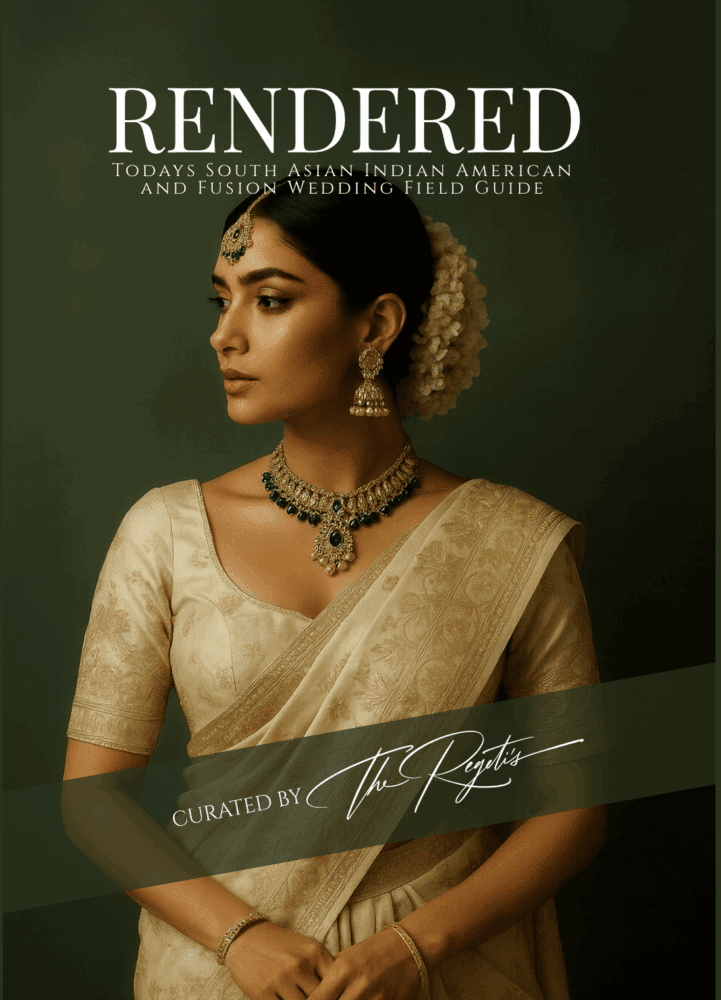
South Asian Indian and America Brides Field Guide before she plans her big day!
- REHEARSED launches — the first-ever pre-wedding walkthrough course for South Asian Indian American brides to mentally and logistically prepare before the big day
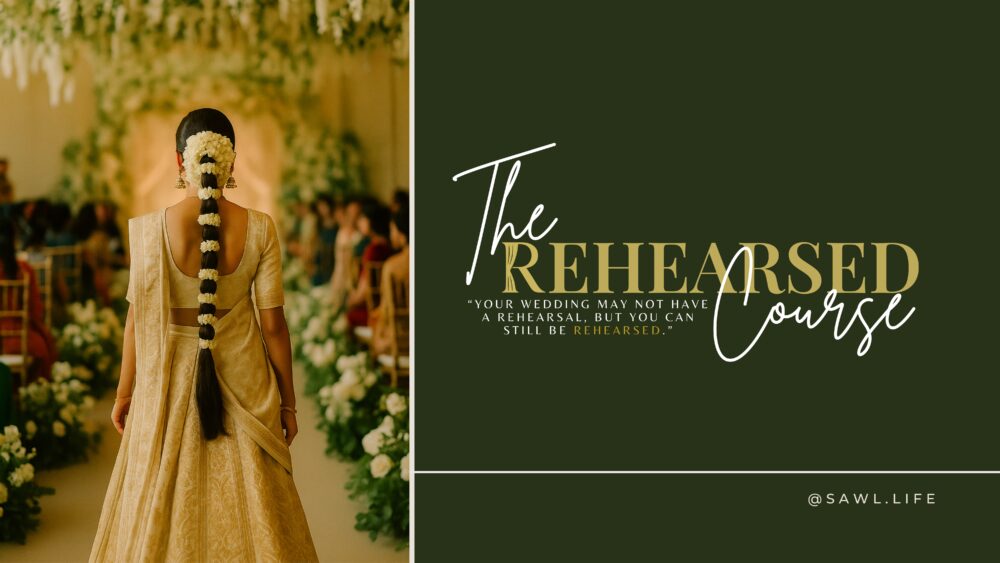
These resources are being built so couples can finally walk into wedding planning informed—and walk out of it grounded, confident, and intact.
🎧 A Little Wedding-Life Pick-Me-Up

For real conversations about marriage, culture, identity, family dynamics, and life after the wedding day, find South Asian Wedded Life (SAWL) on YouTube at @amyregeti—and anywhere podcasts are streamed.
It’s wedding life, real life, and everything in between—for the South Asian and American soul.